

What Is Our Master Plan?
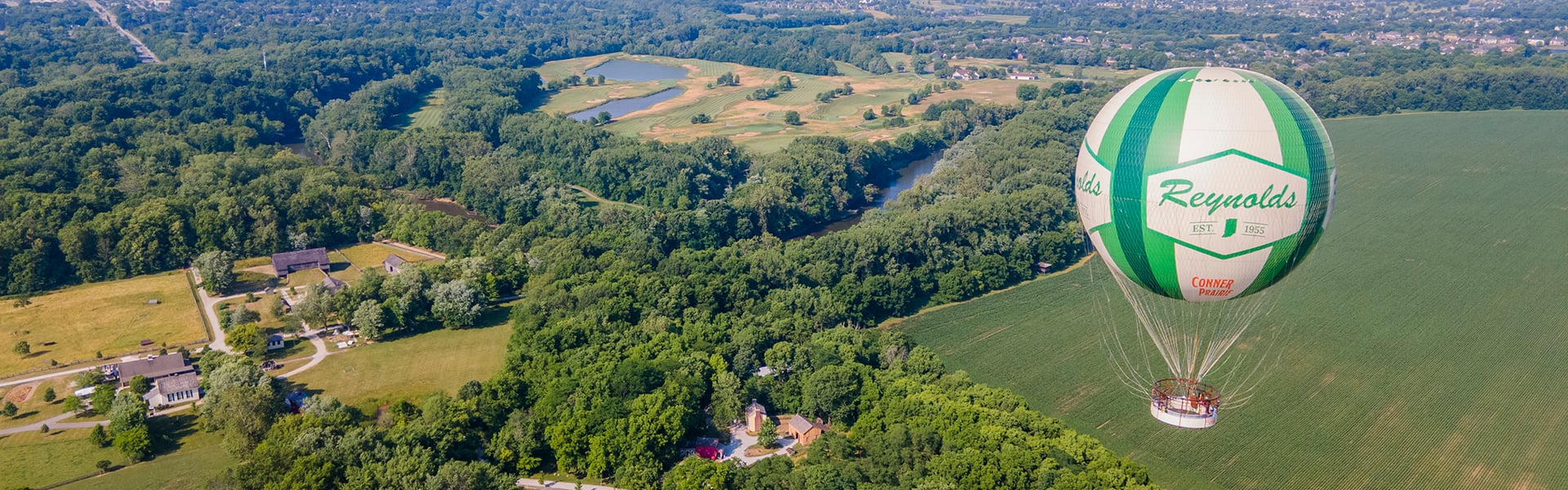
The Conner Prairie Site Master Plan lays out a vision and a series of projects for development over the next few decades. The Master Plan addresses not only new exhibits, buildings, access points, and infrastructure projects, but also plans for the green spaces: woodland, riverbank, wetlands, and the prairie for which Conner Prairie was named. The Plan is the result of ten months of collaboration during 2017–2018 between Conner Prairie leadership, the Site Master Plan Task Group, the Conner Prairie Board of Directors, and more than 64 external stakeholders. In total, more than 225 people were engaged.
As one of the country’s preeminent living history museums, Conner Prairie will harness the White River as a resource for its growth.
Like museums across the country, Conner Prairie is meeting the challenge of engaging an evolving audience, ever more diverse in background, age, and accessibility, while striving to remain relevant and even critical in our educational and cultural landscape. Conner Prairie Museum has a tradition of innovation and is nationally recognized. The Museum is Indiana’s first Smithsonian Affiliate and recipient of the National Medal for Museum and Library Science “Top Honor.” The Giving Voice Initiative was recognized by the American Association for State and Local History with a 2019 Award of Excellence. Conner Prairie is recognized as one of 250 Sites globally by the International Coalition of Sites of Conscience. The Museum has programs for dementia awareness and inclusion, and for those with autism and sensory developmental challenges.
Initiatives of the Master Plan
The following projects further illuminate our vision of the Master Plan. These initiatives help build a lasting impact at Conner Prairie for decades to come. Explore each project and their relationship to our mission.
Conservation Campus
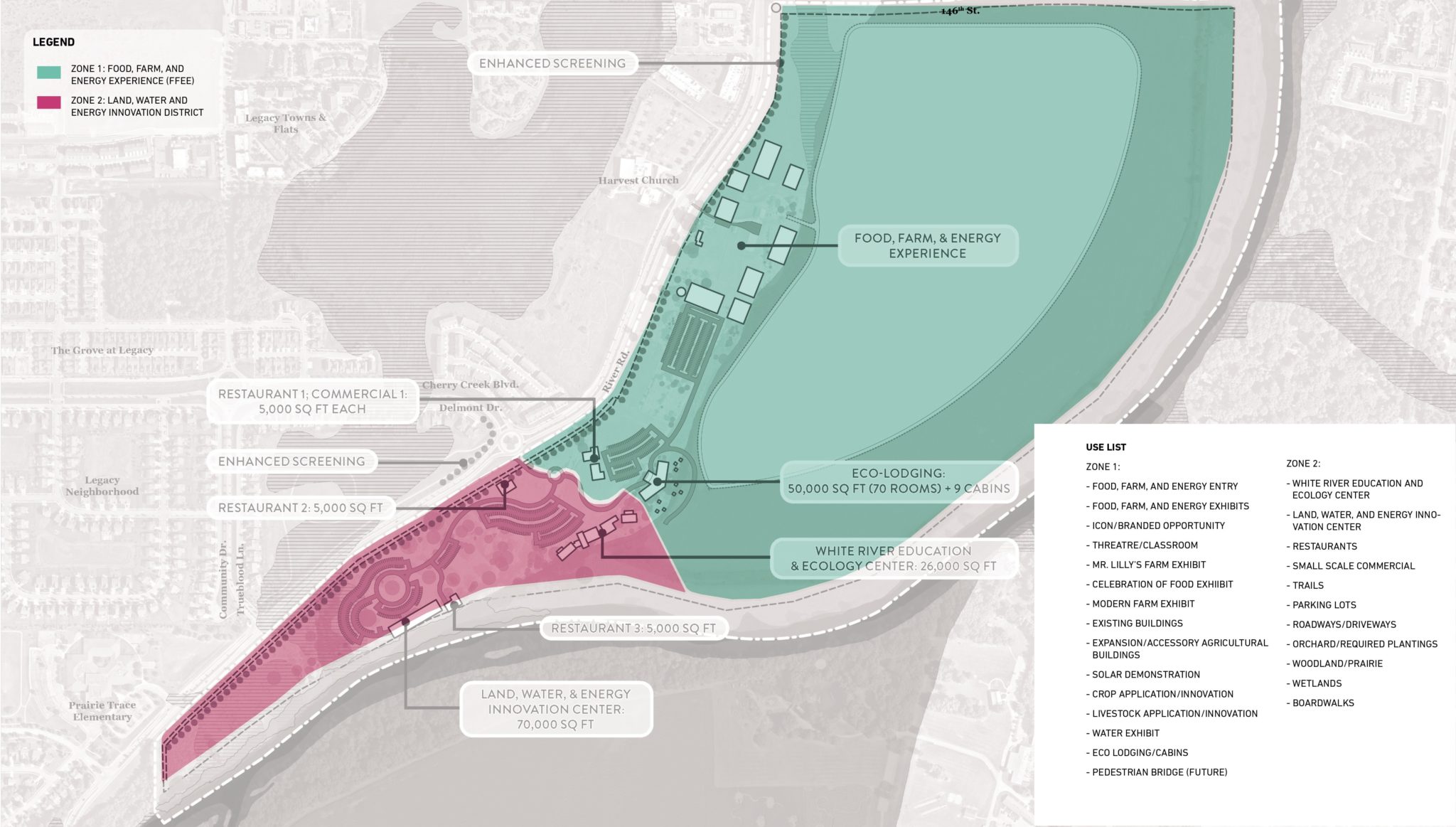
Conner Prairie is pioneering the museum experience of the future. We see Conner Prairie as a preeminent outdoor history museum and place for experiences that will fully embrace the White River as a resource for its future success and growth. We want to better utilize and steward our segment of land and river in Hamilton County while integrating it more fully with the surrounding areas. Our 25-year site master plan looks to engage, connect, enhance, and sustain these resources while delivering newly inspired guest experiences on the westside of our property in Carmel that will engage over 1,000 acres of land and revitalize the 3.3 miles of the White River flowing through our property.
- Zone 1: Food, Farm, and Energy Experience
- Zone 2: Land, Water, and Energy Innovation District
-
FOOD, FARM, AND ENERGY EXPERIENCE
The Food, Farm, and Energy Experience is a transformational idea that is centered around the legacy of Eli Lilly’s experimental farming in the 20th century to explain food production, farming, and energy production in the 21st century. The Food, Farm, and Energy Experience will present engaging and interactive experiences and will showcase innovation in agriculture and inspire everyone to pursue solutions to feed and power the world.
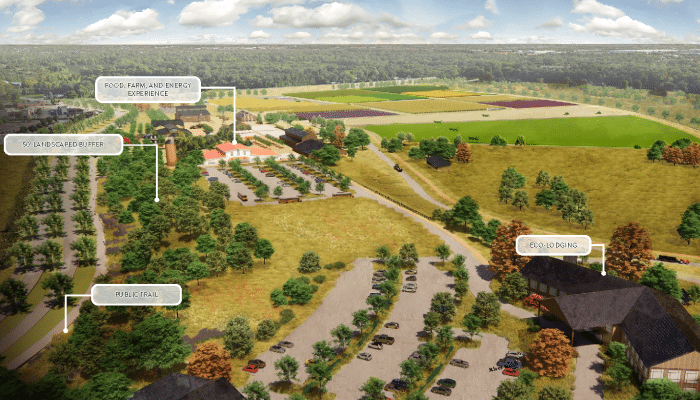
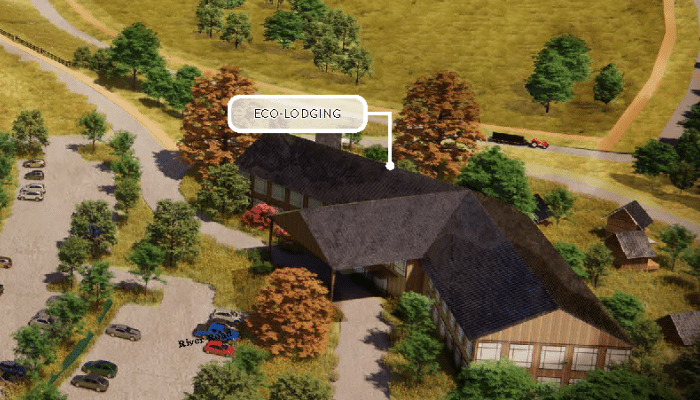
Eco-Lodging
Unique lodging opportunities will further support innovation, economic development, and tourism on the westside. Other opportunities include food service, meeting and conference space overlooking the White River, which has the potential to convene conferences on environmental sustainability, stewardship, and workforce development.
-
-
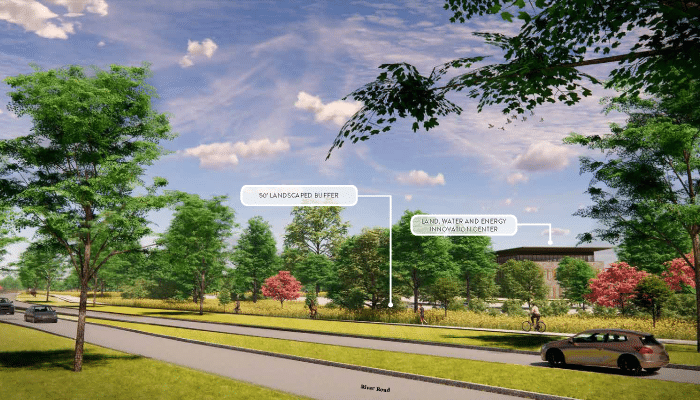
Land, Water, and Energy Innovation Center
The Land, Water, and Energy Innovation Center (LWEIC) at Conner Prairie is a transformational opportunity to attract businesses, educational institutions, agencies, and non-profits focusing on developing next practices and innovations in the sustainable management and environmentally wise use of land, water, and energy – all key elements to increasing agricultural production while improving water locally and throughout the world.
Connecting community through a shared vision of the white river
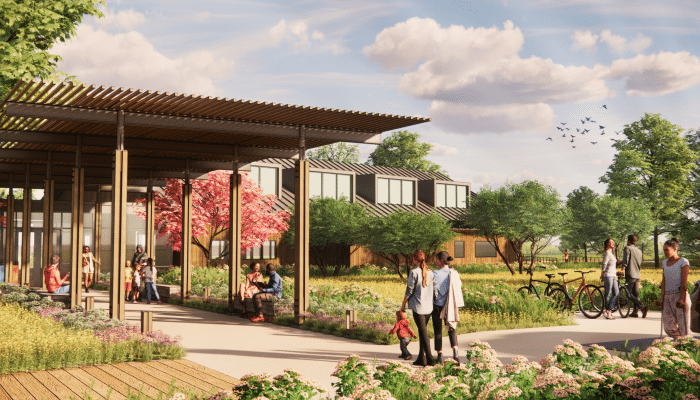
The Conner Prairie White River Education and Ecology Center are opportunities for Conner Prairie, higher education institutions, research organizations, and neighboring municipalities to come together to create environmental education, programming, and research. It is envisioned that the facility for these programs, with an event center, offices, and conference space, would be housed in a modern building of sustainable design situated on the west side of the White River. The Center will allow visitors to experience the White River and its role in the regional ecosystem and will complement other planned environmental and programmatic improvements in this area.
See the vision for the White River Education and Ecology Center come to life
-
Historic Campus
Initiatives of the Master Plan
The Master Plan addresses not only new exhibits, buildings, access points, and infrastructure projects, but also plans for the green spaces: woodland, riverbank, wetlands, and the prairie for which Conner Prairie was named. The following projects outlined in the Master Plan and funded by the Prairie Pathways Campaign will further illuminate our vision for Conner Prairie. These initiatives help build a lasting impact at Conner Prairie for decades to come. Explore each project currently in the works on the Historic Campus in Fishers and their relationship to our mission.
Initiatives
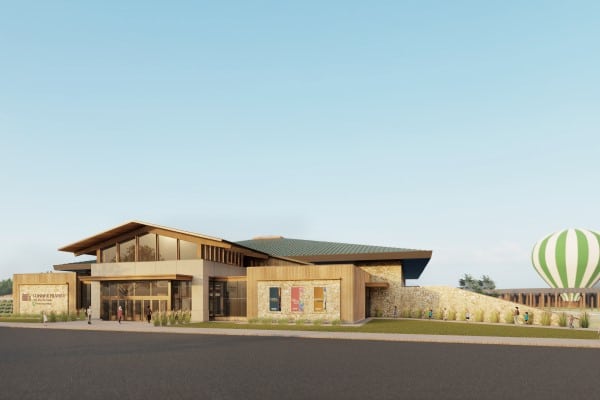
- Museum Experience Center Transformation
- Trails at Conner Prairie
- Promised Land as Proving Ground
- Makesmith Workshop (closed)
- Shen Ho Shi
- Prairie House
-
This space will provide six experience areas, an immersive play space, a brand-new entry onto the grounds, and the opportunity to display even more historical objects from our collections that contain over 27,000 artifacts.
-
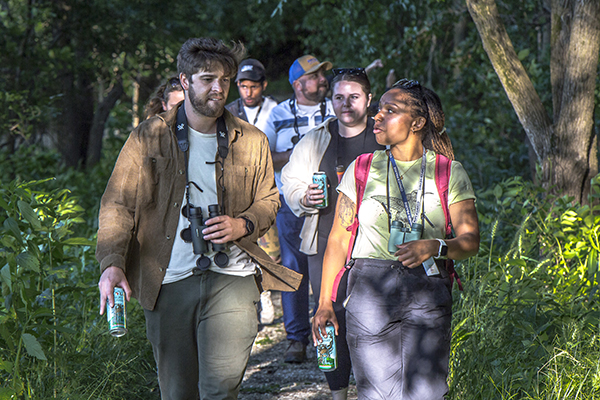
Find a deeper connection with nature as you explore the wonders of the natural world through the prairie and along the oxbow of the White River.
The Trails at Conner Prairie is approximately two miles long and is located on the grounds of Conner Prairie as a guest experience. Consisting of two pathways — a paved Prairie Trwail and a more rugged, natural R.B. Annis Vista Trail — our wildlife-friendly trails provide discovery for everyone.
-
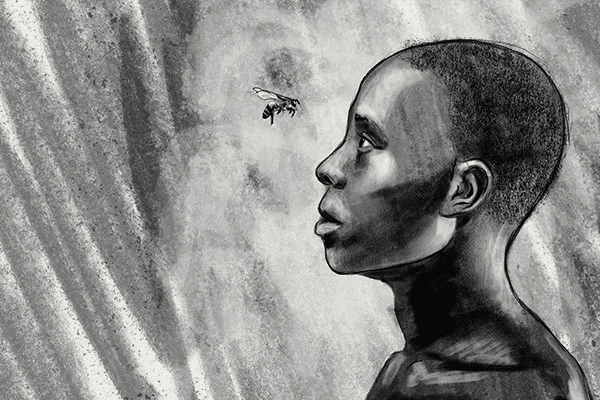
Promised Land as Proving Ground covers 500 years of African American history from pre-colonial Africa to the present day and specifically explores the development of African American faith ways and their expression through food, music and dance, and activism from traditional African religion to the African American church.
-
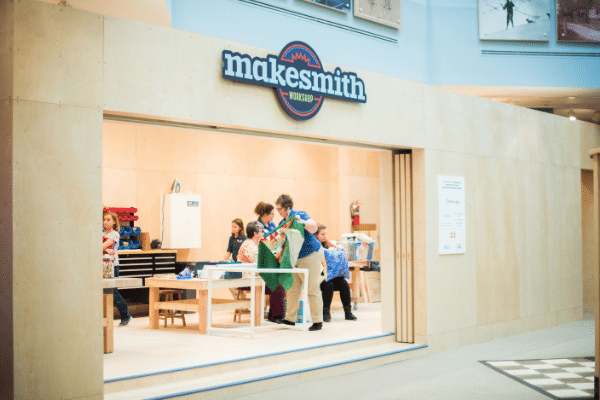
Through various types of tools and materials, Makesmith Workshop was designed to pilot hands-on experiences with guests. allowing the Museum to better understand what the needs of tomorrow will be in the maker movement.
-
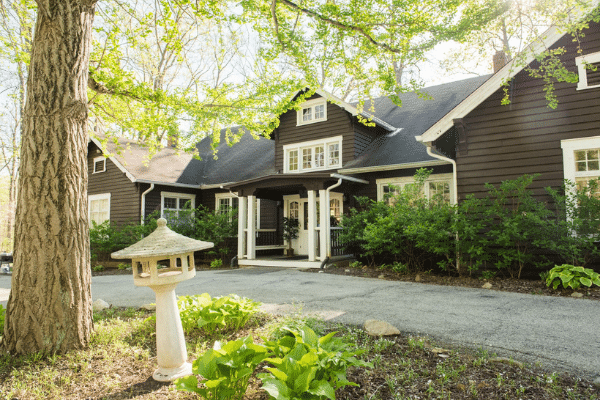
Shen Ho Shi was originally used as Eli Lilly’s summer home. Through an extensive restoration and expansion project, the house continues to make a lasting impact on the community, preserving Lily's legacy and interest in Chinese art and culture. The space now includes The Bluffs, built in partnership with Ritz Charles, and serves as a welcoming gathering place for special events.
-
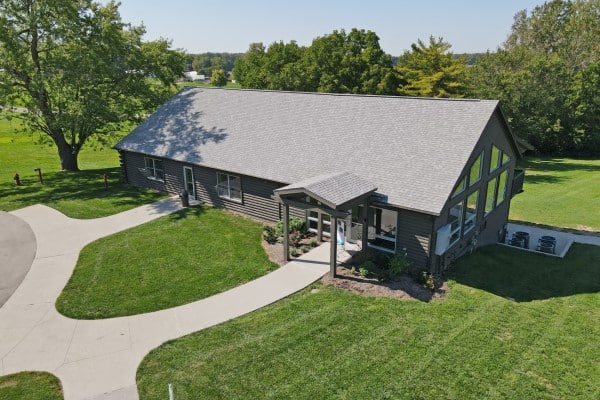
With the remodel and expansion of our Prairie House, this space has become home to our residential teacher program and first ever Museum School. When not used during the school year, it's home to our ever-growing Summer Camp program.
Frequently Asked Questions
About the White River vision Plan
The White River Vision Plan is a community-driven plan in Hamilton County and Indianapolis that explores the enormous potential of the White River to enhance regional vibrancy, ecological integrity, livability, and economic vitality.
A joint effort between the city of Indianapolis and Hamilton County Tourism, Inc., and in partnership with Visit Indy’s philanthropic arm, Tourism Tomorrow Indy, the plan was created to enhance the river’s presence along its 58 miles in the two counties.
The White River Vision Plan looks at regions in a few different ways. First, it divides the White River’s impact area into six ecological “reaches”— areas that share the same river character. It also identifies seven “river anchors.” River anchors are commercial corridors, historic landmarks, and other cultural destinations along the White River with identified site-specific opportunities.
Conner Prairie is in the Meadow Reach, along with Westfield, Carmel, Noblesville, and the Allisonville stretch. Its River Anchor is Allisonville.
While the White River Vision Plan is a joint effort between the city of Indianapolis and Hamilton County Tourism, Inc. and in partnership with Visit Indy’s philanthropic arm, Tourism Tomorrow Indy. The Vision Plan would not be possible without the efforts of the other partners: White River Alliance, Friends of the White River, Reconnecting to Our Waterways, and our funding partner the Nina Mason Pulliam Charitable Trust.
Conner Prairie, Carmel Clay Parks and Recreation, and Hamilton County Parks are all community collaborators with the White River Vision Plan.
The White River Education and Ecology Center is part of a community collaboration project with Carmel Clay Parks & Recreation, Hamilton County Parks, and Hamilton County Tourism.
More about the White River DEvelopment
Conner Prairie In The News
- Conner Prairie awaits next round of feedback
IBJ August 11, 2023 - What you need to know about Conner Prairie's expansion
IndyStar June 22, 2023 - One of the most beautiful views’: Carmel Clay Parks & Recreation, Conner Prairie refine plans for ecology center, hotel, other amenities along White River
Current October 5, 2021 - Learn more about the White River and the community-driven plans to enhance it.
- Conner Prairie awaits next round of feedback